Explore Traditional Remedies from Every Corner of the World
Discover the wealth of natural healing practices, time-honoured ingredients, and wellness wisdom that has shaped cultures across continents for thousands of years. Our comprehensive guide explores the key features that make traditional remedies an enduring part of global health culture.
The information on this site is for educational purposes only and does not constitute medical advice. Always consult a qualified healthcare professional before making health decisions.
Six Core Features of Traditional Remedies
Plant-Based Foundations
Traditional remedies draw from botanical knowledge accumulated over millennia. Herbs, roots, barks, and flowers form the cornerstone of healing practices across Asia, Africa, the Americas, and Europe. Each plant carries cultural significance and generations of observational wisdom about its properties and applications.
Global Diversity
Every region offers distinct remedies shaped by local climate, available plants, and cultural beliefs. Ayurvedic practices in India, Traditional Chinese Medicine, European herbalism, and Indigenous practices from the Americas each reflect unique approaches to wellness. This global tapestry enriches our understanding of natural health possibilities.
Evidence Through Time
Traditional remedies have been refined through countless generations of use and observation. What survives in cultural memory represents practices that communities found valuable enough to preserve and pass down. This long history of use offers a different kind of evidence—experiential and collective—than modern clinical trials.
Holistic Philosophy
Traditional systems view the body as an interconnected whole rather than isolated symptoms. Remedies address the person's overall state—physical, mental, and sometimes spiritual dimensions. This holistic lens considers lifestyle, diet, seasonal changes, and emotional wellbeing as inseparable from physical health.
Accessibility & Affordability
Many traditional remedies use common, locally available materials—kitchen ingredients like ginger, turmeric, honey, and garlic—rather than rare or expensive substances. This accessibility has allowed traditional wellness practices to serve communities across economic backgrounds and remain central to everyday health culture worldwide.
Lifestyle Integration
Traditional remedies are inseparable from broader lifestyle practices—seasonal eating, movement practices like yoga or tai chi, sleep rhythms aligned with natural cycles, and mindfulness. These systems understand that wellness emerges from daily habits and environmental harmony, not isolated interventions.
Understanding How Traditional Remedies Work
Recognition & Selection
Communities identify specific plants, minerals, or food-based ingredients that appear beneficial for particular situations. This knowledge is shared verbally, through practice, and eventually documented in texts. Selection reflects centuries of observation and refinement.
Preparation Methods
Traditional systems developed specific ways to prepare remedies—decoctions, infusions, fermentations, poultices, oils, and powders. Each method extracts or concentrates particular components and may be tailored to individual needs. Preparation is considered as important as ingredient selection.
Personalised Application
Rather than a one-size-fits-all approach, traditional practitioners consider individual constitution, current state, season, and other factors. The same remedy might be adjusted in strength, frequency, or combination with other ingredients based on the specific person and situation.
Observation & Refinement
Traditional systems emphasise observing results and adjusting approach accordingly. Over time, practices are refined based on what works well for different people and situations. This empirical, observational approach continues across generations.
Key Principle: Balance and Harmony
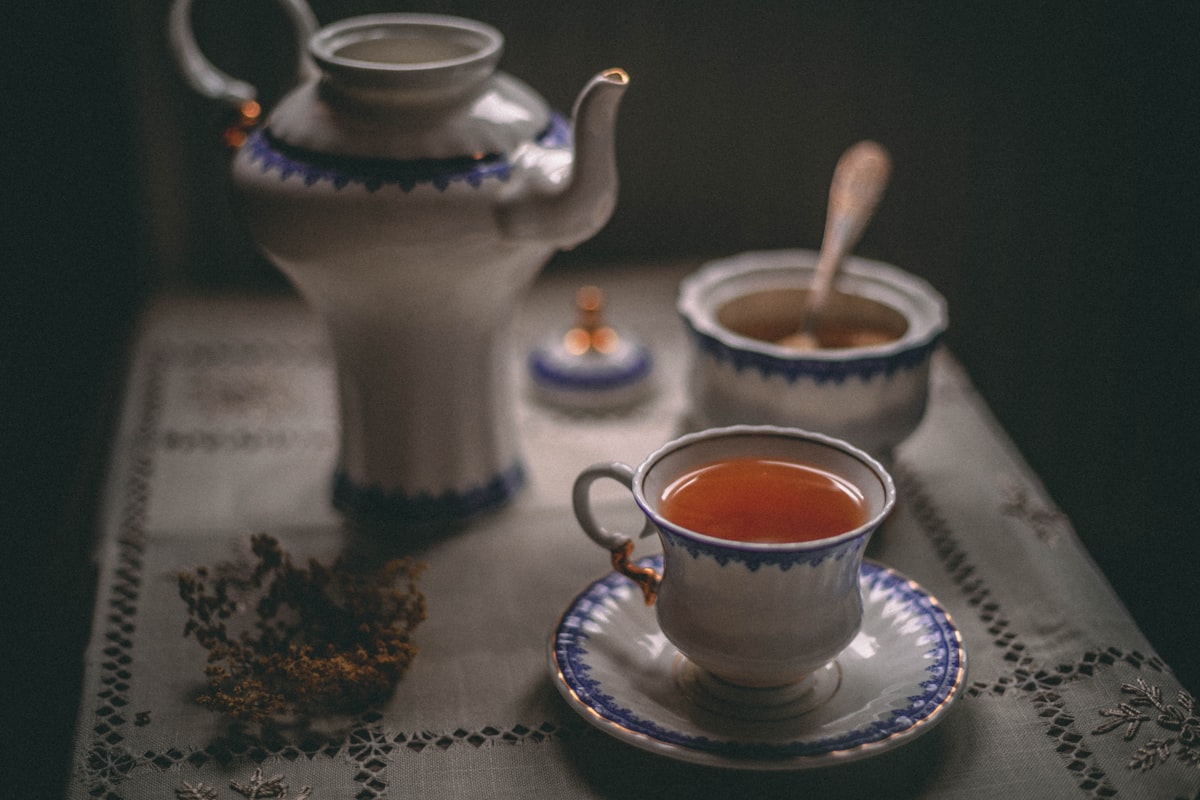
Traditional systems are built on the idea that health emerges from balance—of body systems, of seasons, of activity and rest, of hot and cold, of mind and body. Remedies are used to restore equilibrium rather than to force specific outcomes.
Featured Remedies by Region
Asian Healing Traditions
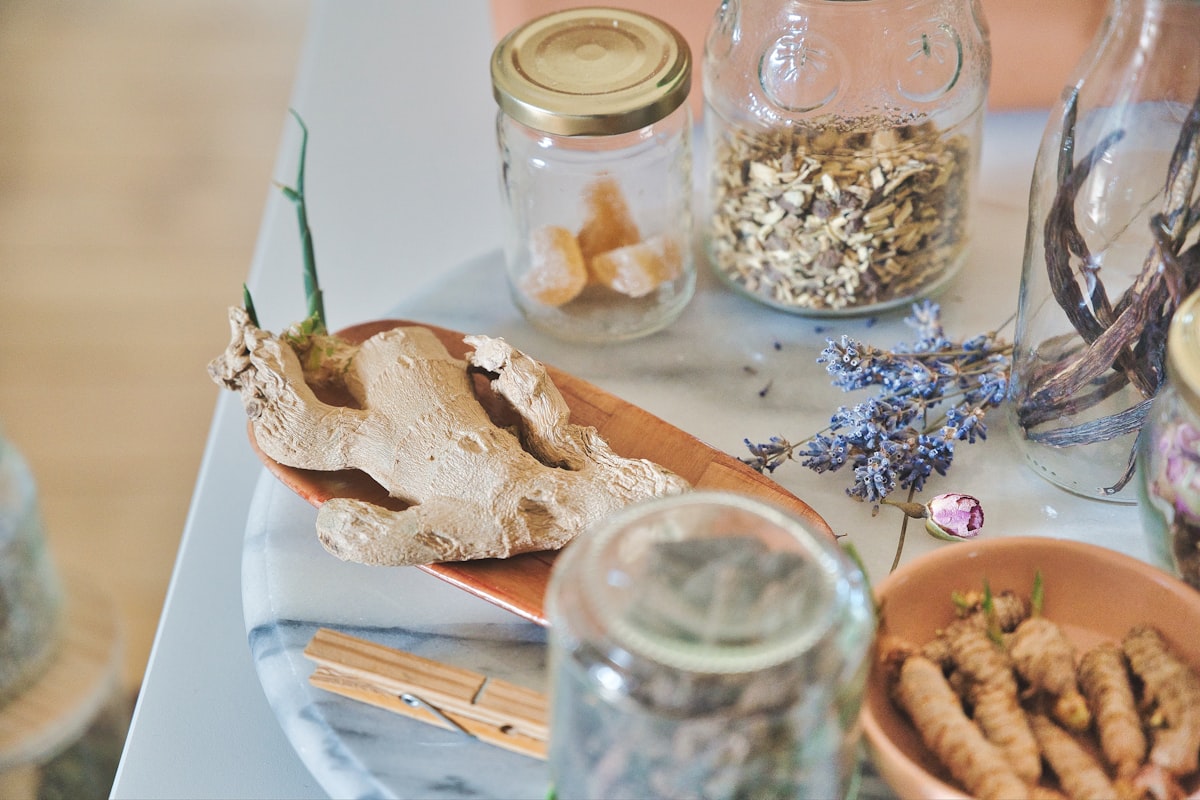
Asian traditional systems, particularly Ayurveda and Traditional Chinese Medicine, have documented thousands of remedies. Ginger, turmeric, reishi mushroom, and ginseng are used across these systems for supporting general wellness. These practices emphasise understanding individual constitution types and seasonal adjustment.
Learn more about Asian remedies →
European Herbalism
European herbalism developed through observation of local plants combined with classical medical theory. Elderflower, yarrow, chamomile, and nettle represent key plants in traditional European wellness culture. These practices often focus on supporting specific body systems through simple, accessible preparations.
Explore European remedies →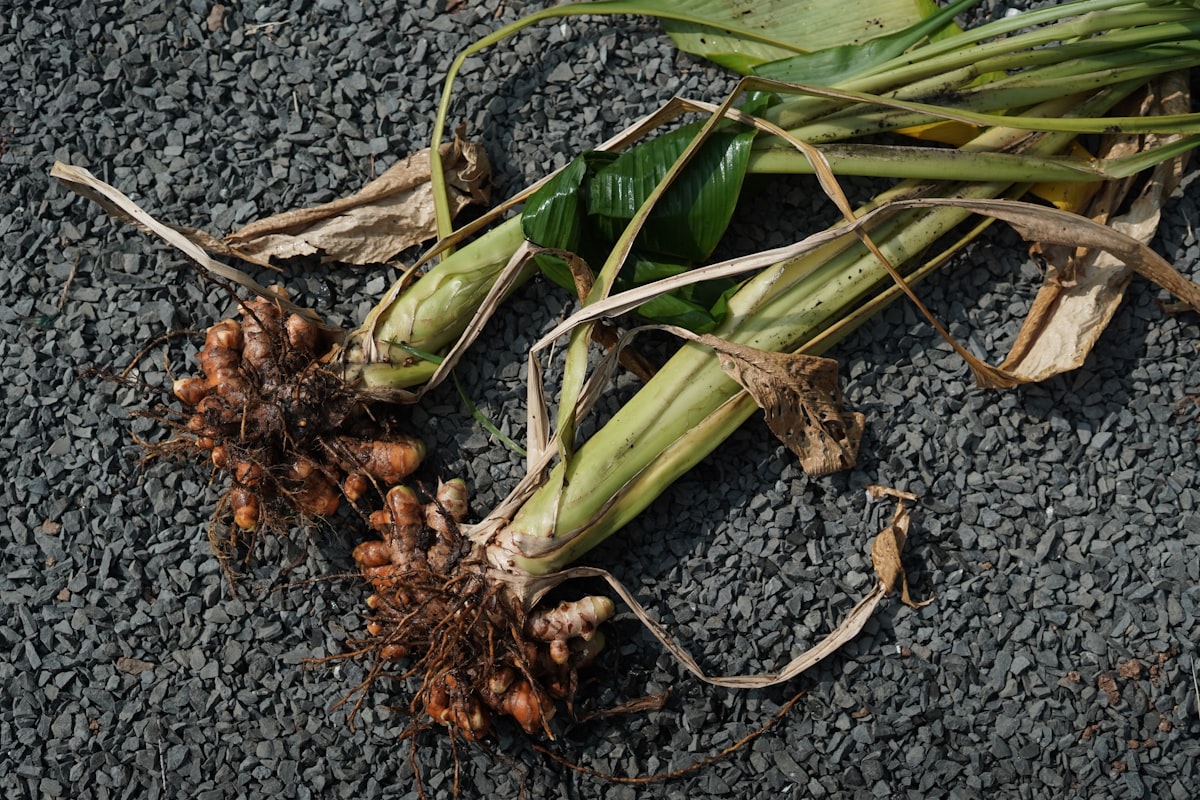
African Wellness Practices
African traditional remedies reflect diverse ecosystems and spiritual wellness integration. Moringa, baobab, rooibos, and marula represent plants with deep roots in African health culture. These practices often unite physical wellbeing with community practices and spiritual dimensions of health.
Discover African traditions →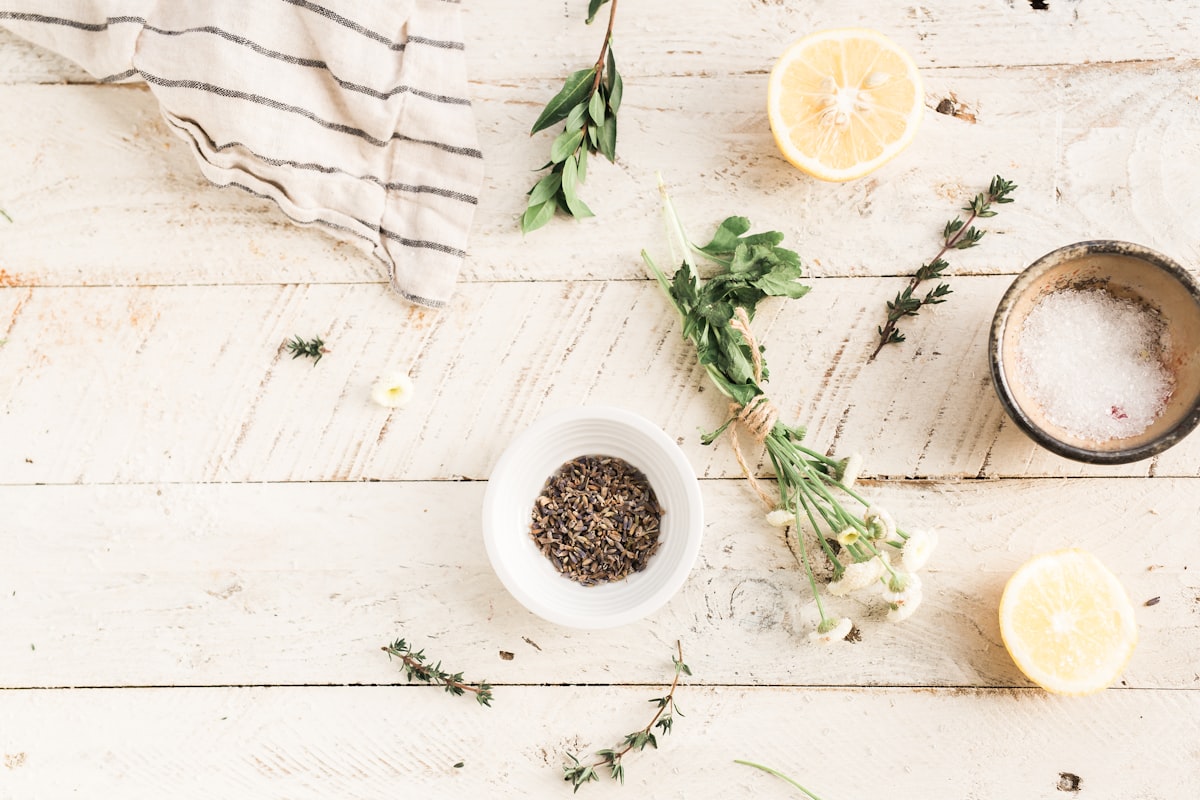
Indigenous American Practices
Indigenous peoples developed sophisticated understanding of local plant medicines through intimate knowledge of their environments. Echinacea, sage, and cacao have deep roots in traditional American wellness. These practices emphasise relationship with the natural world and sustainable use of plant resources.
Explore American traditions →Why Traditional Knowledge Matters Today
Continuity with Nature
Traditional remedies maintain a direct connection to natural materials and seasonal cycles. In a modern world of synthetic substances, these practices offer ways to engage with the natural world and understand our bodies as part of larger ecological systems.
Complementary Understanding
Traditional systems offer different frameworks for understanding wellness than modern scientific medicine. These frameworks can coexist and inform each other—traditional observations sometimes point researchers toward compounds or practices worth investigating further.
Cultural Preservation
Traditional remedies are inseparable from cultural identity and heritage. Learning about these practices preserves knowledge systems that represent how different peoples have understood wellness, maintained their knowledge across generations, and adapted to their environments.
Common Questions About Traditional Remedies
Stories from Practitioners and Learners
5.0/5
"Learning about Ayurvedic remedies connected me with my family's heritage. Understanding my constitution type changed how I think about everyday wellness choices. This site helped me bridge cultural knowledge with modern life."
Priya K.
London
5.0/5
"I appreciated how the guide doesn't make exaggerated claims but instead explains the philosophy behind different remedies. It's helped me understand which traditional approaches resonate with my values and how to research them further."
Marcus T.
Edinburgh
5.0/5
"As someone interested in herbalism, I found the regional breakdown really helpful. Learning how European, Asian, and African traditions approach similar situations with different remedies deepened my understanding of plant medicine."
Sarah W.
Manchester
5.0/5
"This resource respects traditional knowledge while being honest about what we know and don't know. It's refreshing to find information that's neither overly promotional nor dismissive of these important cultural practices."
Dr. James H.
Bristol
Stay Updated on Traditional Wellness Knowledge
Subscribe to receive articles about traditional remedies, cultural wellness practices, and natural health resources from around the world.
We respect your privacy. Unsubscribe anytime.
Key Takeaways: Understanding Traditional Remedies
Natural & Time-Tested
Traditional remedies have been used for centuries across cultures worldwide. They represent generations of accumulated knowledge and proven results in supporting wellness naturally.
Holistic Approach
Rather than targeting single symptoms, traditional health practices address the whole person—body, mind, and spirit—for balanced, sustainable wellness.
Evidence-Based Wisdom
Modern research increasingly validates what traditional practitioners have known. Many herbs, practices, and techniques are backed by scientific studies and clinical evidence.
Client Success Stories
Real people sharing their transformative experiences
"After implementing the recommendations, my energy levels completely transformed. I feel like myself again—no more afternoon crashes!"
— Sarah M., Portland, OR
"I was skeptical at first, but the holistic approach made so much sense. My whole family is now using these natural methods with wonderful results."
— James T., Seattle, WA
"The resources provided were so comprehensive and easy to understand. I finally have a clear path to better health."
— Michelle R., Austin, TX
Frequently Asked Questions
Are traditional remedies safe to use alongside modern medicine?
Traditional remedies can be beneficial, but it's essential to consult with your healthcare provider before combining them with medications. Some herbs and supplements may interact with prescriptions. Our guides include safety information to help you make informed decisions.
How long does it typically take to see results?
Results vary by individual and the specific practice. Some people notice changes within days, while others may need weeks or months. Traditional wellness is about sustainable, long-term health rather than quick fixes. Consistency and patience are key.
Do I need special equipment or ingredients to get started?
Most traditional practices use simple, accessible ingredients and tools. Many can be started with items you likely have at home. Our guides provide budget-friendly options and help you source quality ingredients without breaking the bank.
Is there scientific research supporting these traditional methods?
Yes! Modern research increasingly validates traditional practices. Many herbs, meditation techniques, and wellness practices are now supported by peer-reviewed studies. We reference scientific evidence throughout our resources while honoring traditional wisdom.
Can I customize these practices to my lifestyle?
Absolutely! Traditional health is adaptable and personalized. Our comprehensive guides help you understand the principles so you can adjust practices to fit your schedule, preferences, and specific health goals.
Start Your Traditional Health Journey Today
Join thousands who've discovered the power of time-tested wellness practices. Get instant access to our complete guide and begin transforming your health naturally.
30-day money-back guarantee • No credit card required • Instant access